

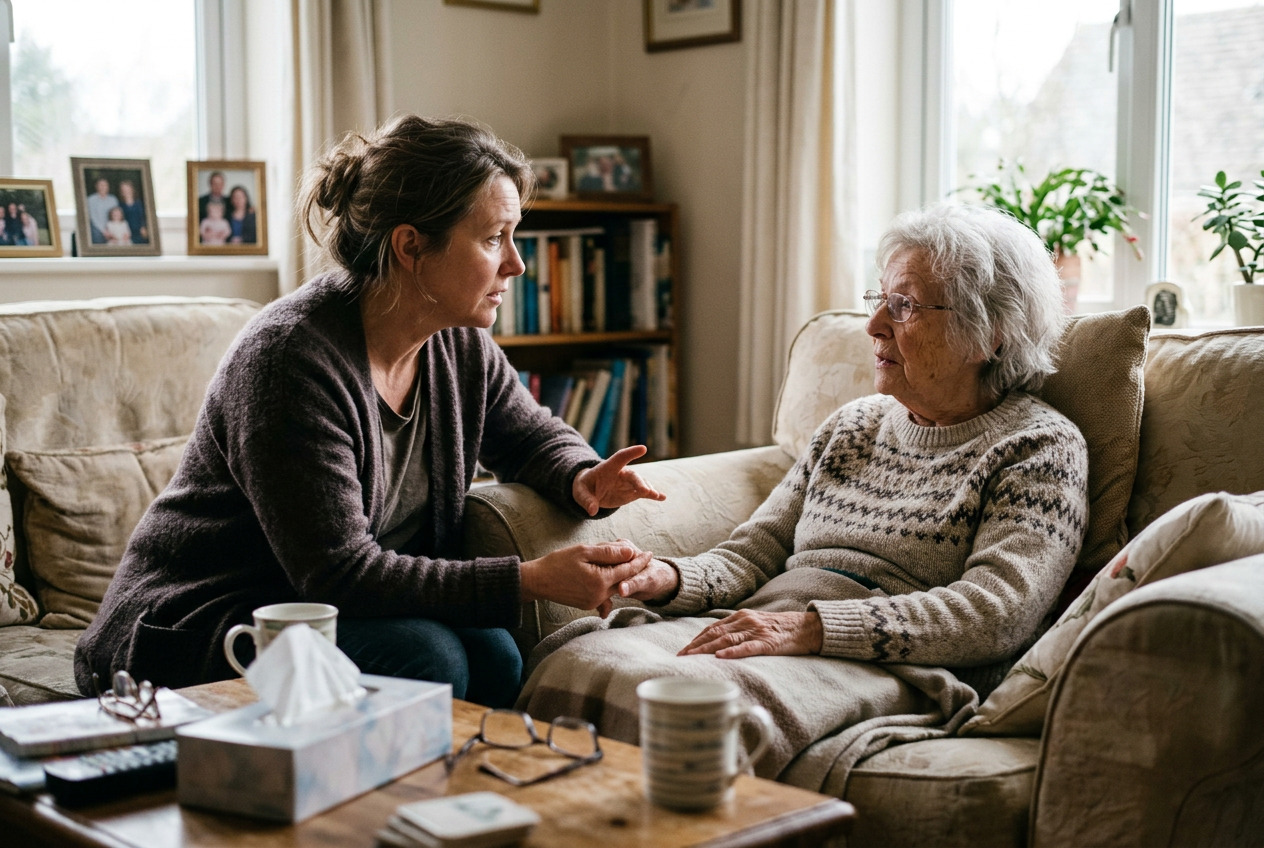
Elder abuse is a deeply concerning issue that can happen even within trusted family or caregiving relationships. Older adults often rely significantly on family members or close caregivers, a dynamic that can create vulnerabilities to different types of mistreatment. By understanding the signs of potential abuse and seeking appropriate support, families and communities can play a critical role in fostering safety and dignity for their loved ones.
Understanding Elder Abuse Within Families and Caregiving Relationships
Elder abuse refers to any intentional act or failure to act that harms or risks the well-being of an older adult. Within family or caregiving environments, abuse can stem from dynamics of imbalance, stress, or control. It’s important to note that abuse is never the victim’s fault. Mistreatment may manifest in various ways, including physical harm, emotional manipulation, financial exploitation, or neglect.
Physical and Emotional Mistreatment
Physical abuse involves causing injury or pain through methods like hitting, shoving, or improper restraint. Emotional abuse, on the other hand, creates psychological distress by using intimidation, shaming, or isolating the person. Signs of fear, withdrawal, or anxiety within an older adult may indicate underlying emotional harm.
Financial Exploitation and Neglect
Financial exploitation takes place when someone improperly uses an elder’s assets without consent, often through fraud, theft, or undue influence. Neglect involves failing to provide for an older person’s basic needs like food, medication, or hygiene. Even when unintentional, neglect can severely impact an elder’s health and dignity.
Recognizing Warning Signs That an Older Loved One May Be at Risk
Identifying elder abuse early can improve efforts to protect and support those at risk. While abuse may not always be immediately noticeable, certain warning signs warrant attention and care.
Unexplained Physical or Behavioral Changes
Unexplained bruises, burns, or other physical injuries might be indicators of harm. Likewise, behavioral shifts such as increased fearfulness, withdrawal, or depression could signify that an older adult is being mistreated.
Signs of Financial Exploitation
Look out for unusual financial activity, such as sudden withdrawals, unpaid bills despite adequate funds, or unauthorized transactions. A caregiver or family member exerting undue control over financial decisions may also raise concerns.
Isolation and Unmet Needs
Elders who appear unusually isolated or have unmet essential needs, such as poor hygiene or a lack of food, may be experiencing neglect. Keep in mind that a combination of these signs warrants particular vigilance, but even a single concern should not be ignored.
Why Elder Abuse Can Be Difficult to Identify or Report
Recognizing and addressing elder abuse can be challenging for several reasons. Older adults may hesitate to disclose mistreatment due to fear, shame, or emotional dependence on their abuser.
Fear of Retaliation or Embarrassment
Many elders worry that reporting abuse could lead to retaliation, increased isolation, or a loss of care. For others, embarrassment and a desire to protect family relationships could inhibit disclosure.
Dependence and Isolation
Older adults often rely on their caregivers for basic support, making it difficult to voice concerns of mistreatment. Isolation, whether intentional or not, can further complicate the ability to seek help or share their experiences.
Respecting Autonomy
While concerns about elder abuse should be taken seriously, family and community members must approach the topic delicately. Compassionate, nonjudgmental communication allows older adults to feel safe and supported while maintaining their dignity and autonomy.
How Families and Communities Can Respond to Suspected Elder Abuse
If you suspect that a loved one may be experiencing abuse, taking action is both crucial and delicate. The safety and rights of the older adult should always guide your response.
Starting a Supportive Conversation
Begin by gently expressing your concerns without making accusations. For example, you could say, “I’ve noticed you seem worried lately, and I’m here to support you if anything is troubling you.” Active listening is key—allow them to share as much or as little as they’re comfortable with.
Documenting Concerns
If you observe potential abuse, documenting what you see—whether it’s injuries, patterns of isolation, or financial irregularities—can be helpful for future discussions with professionals or authorities.
Avoiding Direct Confrontations
Avoid confronting a suspected abuser directly, as this could increase the older person’s risk. Focus instead on guiding your loved one toward appropriate help at a pace they’re comfortable with.
Finding Elder Abuse Protection and Support Resources in California
California provides multiple resources to help seniors facing abuse. If you suspect an older adult is in immediate danger, call 911 or seek emergency assistance. For ongoing concerns, Adult Protective Services (APS) offers investigations and support for vulnerable adults across California.
Community-Based and Legal Protections
Organizations such as Domestic Violence and Abuse Protection, Inc. (DVAP) and other nonprofits provide guidance and comprehensive resources for elders and their families. Whether it’s filing protective orders, ensuring access to emergency shelter, or connecting with community services, DVAP is dedicated to empowering abuse survivors in Riverside.
Your Role in Protecting Elders
Communities play an essential role in preventing elder abuse. By staying informed, noticing potential signs of harm, and supporting those affected, we can create an environment where older adults feel secure, respected, and heard.
Bringing Safety and Support to the Forefront
Elder abuse within family settings is a complex and painful reality, but no one has to face it alone. Whether you’re recognizing warning signs in a loved one or navigating a difficult situation, compassionate action can make a difference. Together, families and communities can protect older adults, ensuring they live with dignity and safety.
Are You Experiencing Domestic Violence or Abuse? DVAP Is Here To Help
Domestic Violence and Abuse Protection, Inc. is a non-profit organization committed to protecting the victims of domestic abuse. When restraining orders are not enough, we are there to provide the determined protection you deserve. We are located at 3900 Orange St. Riverside, CA. Call us at (951)-275 8301 (24 hours). Alternatively, you can email us at admin@dvapriverside.org