

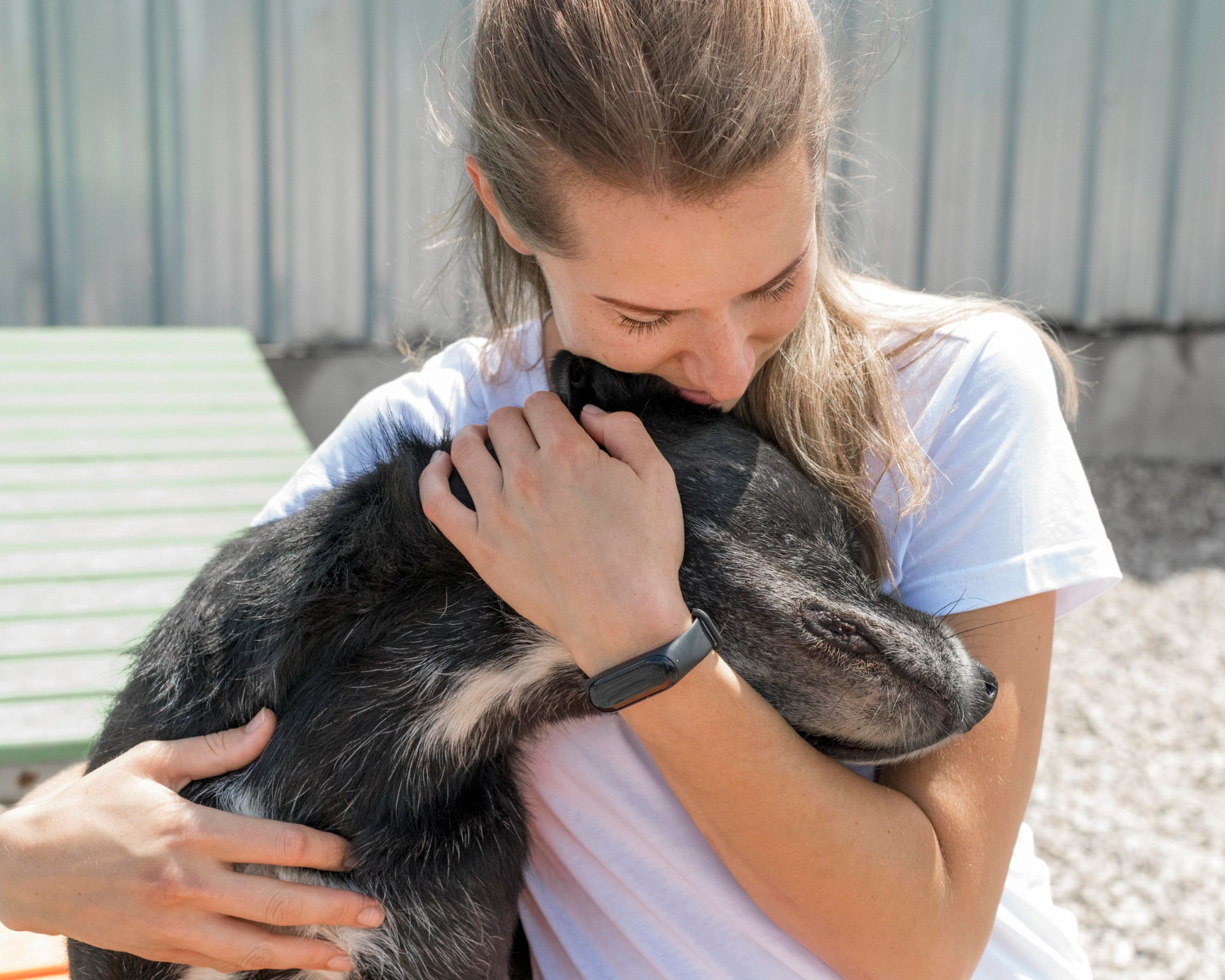
Leaving an abusive relationship is an incredibly brave and challenging decision. For many survivors, the need to safeguard their pets adds another layer of complexity to an already difficult situation. Abusers often use pets as tools of manipulation or coercion, making it crucial to plan for their safety during an escape. Pets are family members, and ensuring their well-being is vital as survivors seek freedom from abuse.
The Overlooked Barrier: Pets in Domestic Violence Situations
For survivors of domestic violence, pets often represent an unshakable source of love and emotional comfort. However, abusers frequently exploit this bond as a form of control. Threatening, harming, or withholding access to pets are tactics used to prevent survivors from leaving. This creates an emotional and logistical challenge for survivors who fear abandoning their beloved animals. Studies show that many survivors delay leaving due to concerns for their pets’ safety, particularly when shelters or safe housing exclude animals.
Recognizing pets as part of the family transforms how we address domestic violence. It’s important to shed light on this overlooked barrier and work toward solutions that empower survivors while protecting both them and their pets.
Planning for Pet Safety During Escape
When preparing to leave an abusive environment, safety planning for pets can make a significant difference. The following strategies can help ensure your pets are safe and cared for during your transition to freedom:
1. Create a Pet Emergency Kit
Before you leave, assemble a pet emergency kit with essential items. This may include food, water, a leash, collar, vaccination records, and any medications your pet needs. If possible, include a favorite toy or blanket to provide comfort during this stressful time.
2. Identify Pet-Friendly Shelters and Resources
Research domestic violence shelters and community organizations in California, especially around Riverside, that accommodate pets or offer foster services. Programs like Sheltering Animals & Families Together (SAF-T) and local Humane Societies specialize in housing pets alongside survivors. Animal shelters may also have temporary or emergency foster care options for pets at risk.
3. Establish a Confidential Backup Plan
If you are unable to take your pet initially, consider asking a trusted friend, family member, or neighbor to provide temporary care. Make sure this arrangement remains confidential to protect both your pet and your trusted caregiver.
4. Consult with Local Animal Protection Services
Reach out to local animal welfare organizations in Riverside or other parts of California, such as the SPCA or city animal control services. Many organizations will collaborate with survivors to ensure pets’ safety during transitional periods.
5. Communicate With Law Enforcement or Legal Advocates
If your safety plan involves legal steps, such as a restraining order, inquire whether including your pet in legal protections is an option. California law acknowledges pets in restraining orders, helping to ensure their safety when separating from an abuser.
Resources in California to Protect Survivors and Their Pets
California offers some of the most progressive protections for pets in domestic violence situations. Below are key resources for survivors seeking support when escaping with their pets:
- Domestic Violence Shelters in Riverside and Beyond
Some shelters, such as Pathways to Hope in Riverside, provide safe spaces for both survivors and their pets. Check their policies before arriving to ensure compatibility with your needs. - Pet-Friendly Transitional Housing Programs
Search for transitional housing facilities that accept pets. Many programs prioritize keeping families together, including their furry companions. - California Protective Orders Including Pets
Under California law (Family Code Section 6320), pets can be included in protective orders, barring abusers from harming or approaching them. Speak to a legal advocate to explore this option. - Local Animal Rescue and Foster Networks
Organizations such as the Animal Friends of the Valleys in Riverside County offer fostering programs for pets displaced by emergency situations.
These resources empower survivors by addressing their concerns and ensuring their pets remain safe throughout the process.
Empowering Survivors and Building Pet-Safe Communities
The bond between pets and their owners is a source of resilience during life’s toughest moments. By addressing the intersection of domestic violence and pets, we build stronger, safer communities that recognize every member of the family. Spreading awareness, advocating for pet-friendly shelters, and supporting statewide policies can create a network of care accessible to all survivors.
Leaving abuse may feel overwhelming, but you don’t have to face it alone. Resources and allies are here to support you and your beloved pets as you seek freedom and security.
Are You Experiencing Domestic Violence or Abuse? DVAP Is Here To Help
Domestic Violence and Abuse Protection, Inc. is a non-profit organization committed to protecting the victims of domestic abuse. When restraining orders are not enough, we are there to provide the determined protection you deserve.
We are located at 3900 Orange St. Riverside, CA. Call us at (951)-275 8301 (24 hours). Alternatively, you can email us at admin@dvapriverside.org.