
Domestic violence can affect physical health long after abuse ends, even when visible injuries are no longer present. Survivors may continue to experience chronic pain, sleep disruption, digestive issues, and other stress-related symptoms that reflect the lasting impact of abuse on the body.
Talking about those effects matters because recovery is not only emotional. Physical health can also be shaped by prolonged stress, fear, and trauma, which is why a more holistic understanding of healing is so important.
Why Physical Effects Can Continue After the Abuse
Abuse can place the body under repeated stress over time. Even after the immediate danger ends, survivors may still experience lingering health effects connected to that prolonged strain.
These symptoms are not signs of weakness or exaggeration. They reflect the reality that trauma can affect the body as well as the mind.
Common Long-Term Physical Health Concerns
Chronic Pain and Tension
Some survivors experience ongoing pain, muscle tension, headaches, or fatigue that can persist well after the abusive situation has ended. These symptoms may interfere with daily routines and overall quality of life.
Sleep and Digestive Disruption
Sleep difficulties and digestive problems are also common stress-related concerns. When the body has been operating under fear or instability, normal rest and physical regulation may take time to recover.
Stress-Related Health Strain
Long-term stress can affect general wellness in ways that feel hard to explain at first. Survivors may notice that physical symptoms increase during periods of anxiety, reminders, or major life transitions.
Why Holistic Recovery Matters
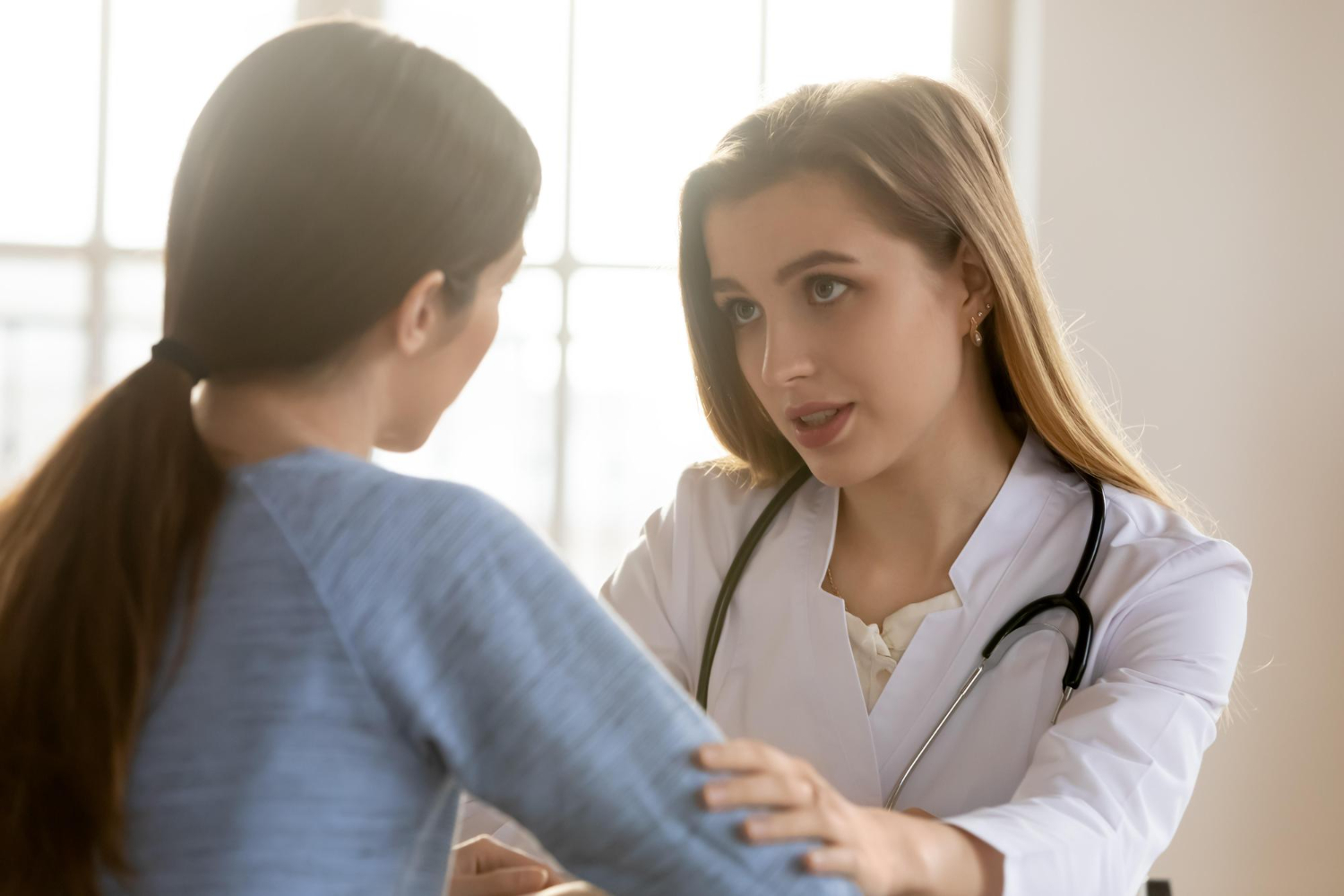
A survivor’s healing process may involve emotional support, community resources, and medical care that takes physical symptoms seriously. Recovery is often stronger when support systems recognize the full impact of abuse instead of focusing on only one part of the experience.
That kind of care can help survivors feel validated and better supported as they rebuild stability.
Support Should Recognize the Lasting Impact
When communities understand that domestic violence can affect physical health long after abuse ends, they are more likely to respond with empathy and patience. Survivors deserve support that acknowledges both visible and invisible effects.
Awareness of long-term health impact helps create a more informed and compassionate path toward recovery.
Are You Experiencing Domestic Violence or Abuse? DVAP Is Here To Help
Domestic Violence and Abuse Protection, Inc. is a non-profit organization committed to protecting the victims of domestic abuse. When restraining orders are not enough, we are there to provide the determined protection you deserve. We are located at 3900 Orange St. Riverside, CA. Call us at (951)-275 8301 (24 hours). Alternatively, you can email us at admin@dvapriverside.org