

Leaving an abusive relationship is often described as the hardest step a survivor can take but it isn’t always the safest. While many people believe the danger ends once a victim leaves or obtains a restraining order, the reality is that the period immediately after separation can be one of the highest-risk times for domestic violence survivors.
A recent article published by The Press-Enterprise highlighted the work of Domestic Violence and Abuse Protection, Inc. (DVAP), a Riverside-based nonprofit that helps protect survivors during this critical stage by providing trained personal protection when legal measures alone may not be enough.
Why Leaving Can Increase the Risk
Ending an abusive relationship often means an abuser is losing control over their victim. Unfortunately, this loss of control can trigger escalated behaviors, including:
- Stalking or surveillance
- Repeated phone calls, texts, or online harassment
- Violations of restraining orders
- Threats against family members or children
- Physical confrontations at work, home, or public places
According to the National Domestic Violence Hotline, many survivors face increased danger after leaving because abusive partners may become more desperate to regain control.
This is why experts encourage survivors to create a comprehensive safety plan before and after leaving an abusive relationship.
A Restraining Order Is an Important First Step But Not the Final One
Restraining orders are valuable legal protections that establish consequences for abusive behavior. However, they cannot physically stop someone who chooses to ignore the law.
Law enforcement responds as quickly as possible, but officers cannot be everywhere at once. For survivors living with ongoing threats, those first few minutes during an emergency can make all the difference.
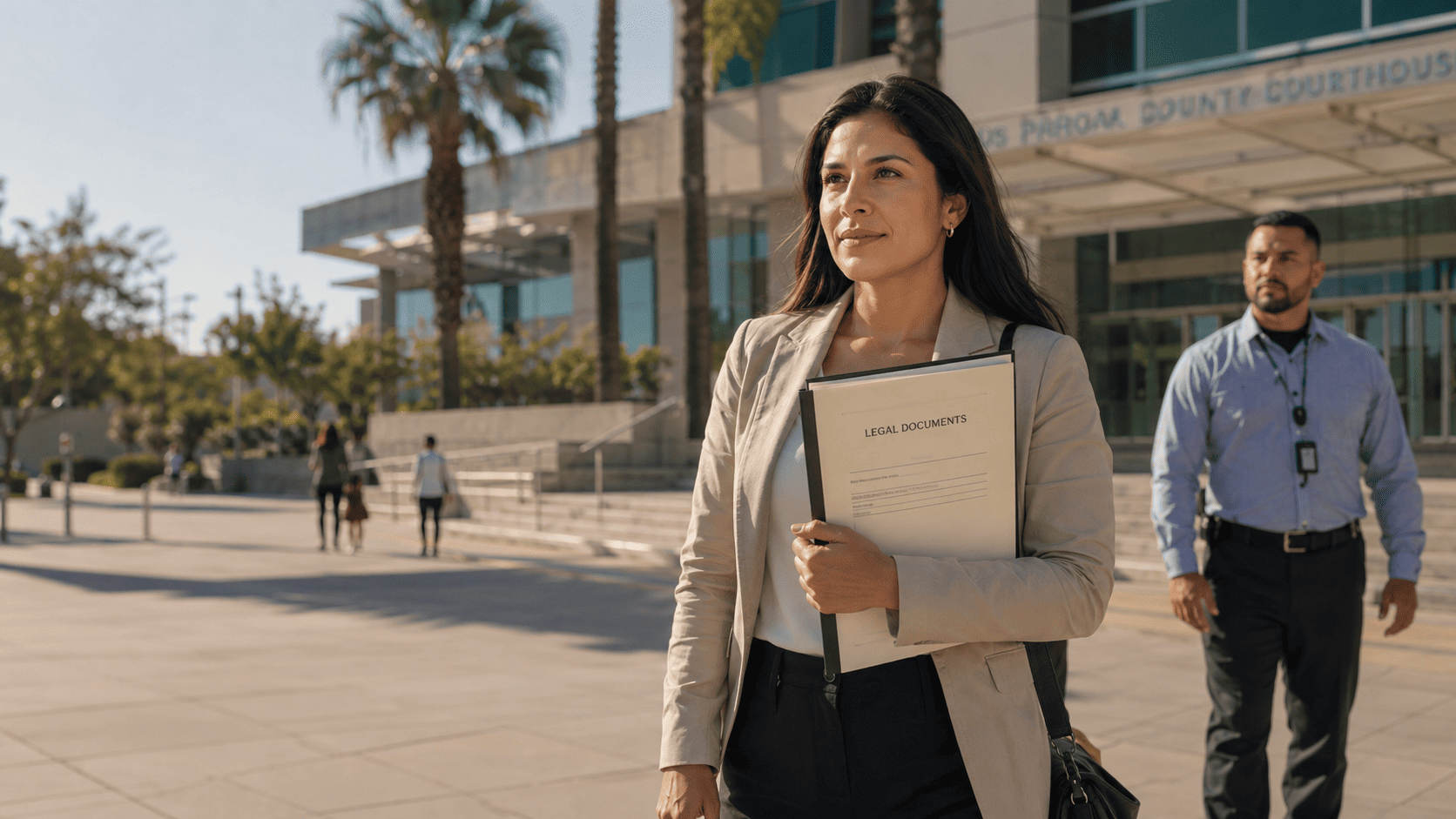
As highlighted by The Press-Enterprise, organizations like DVAP exist to help bridge that gap by providing trained protection services that enhance a survivor’s safety while police are responding.
Building a Strong Safety Plan
Every survivor’s situation is different, but a personalized safety plan can significantly reduce risk. Consider these important steps:
Keep Important Documents Accessible
Store identification, financial records, medications, and emergency contacts in a secure location that can be accessed quickly if needed.
Inform Trusted People
Friends, family members, neighbors, employers, and children’s schools can provide valuable support when they understand the situation and know how to respond during an emergency.
Document Every Incident
If an abuser violates a restraining order or continues threatening behavior, keep records of messages, phone calls, photographs, and witness statements whenever it is safe to do so. This documentation may be important for future legal action.
Have Emergency Resources Ready
Know where you can go if you need immediate safety. Save emergency phone numbers, identify nearby shelters, and have a plan for transportation if you need to leave quickly.
Healing Takes More Than Physical Safety
Escaping abuse is only the beginning of recovery. Survivors often experience anxiety, depression, fear, and emotional trauma long after the relationship ends.
Counseling, support groups, advocacy organizations, and trauma-informed services can help survivors regain confidence, rebuild independence, and move forward with hope.
No one should have to navigate this journey alone.
Communities Play an Important Role
Domestic violence is not just a private issue—it affects entire communities. Friends, coworkers, healthcare professionals, educators, and neighbors can all make a meaningful difference by recognizing warning signs, believing survivors, and connecting them with local resources.
The more communities understand that leaving an abuser does not automatically eliminate danger, the better equipped they are to support survivors during their most vulnerable moments.
DVAP Is Here When Survivors Need Protection Most
At Domestic Violence and Abuse Protection, Inc. (DVAP), we believe survivors deserve more than legal protection—they deserve to feel safe while rebuilding their lives.
Our trained protection specialists provide an additional layer of security for victims facing continued threats, helping bridge the gap between legal protection and real-world safety.
If you or someone you know is experiencing domestic violence, help is available.
Visit us at 3900 Orange St., Riverside, CA, call (951) 275-8301, or email admin@dvapriverside.org. You don’t have to face this journey alone.
Source
This blog was inspired by the article “This Inland Empire nonprofit helps to protect victims of domestic violence,” published by The Press-Enterprise on June 27, 2026, which highlights DVAP’s work protecting domestic violence survivors throughout the Inland Empire.