

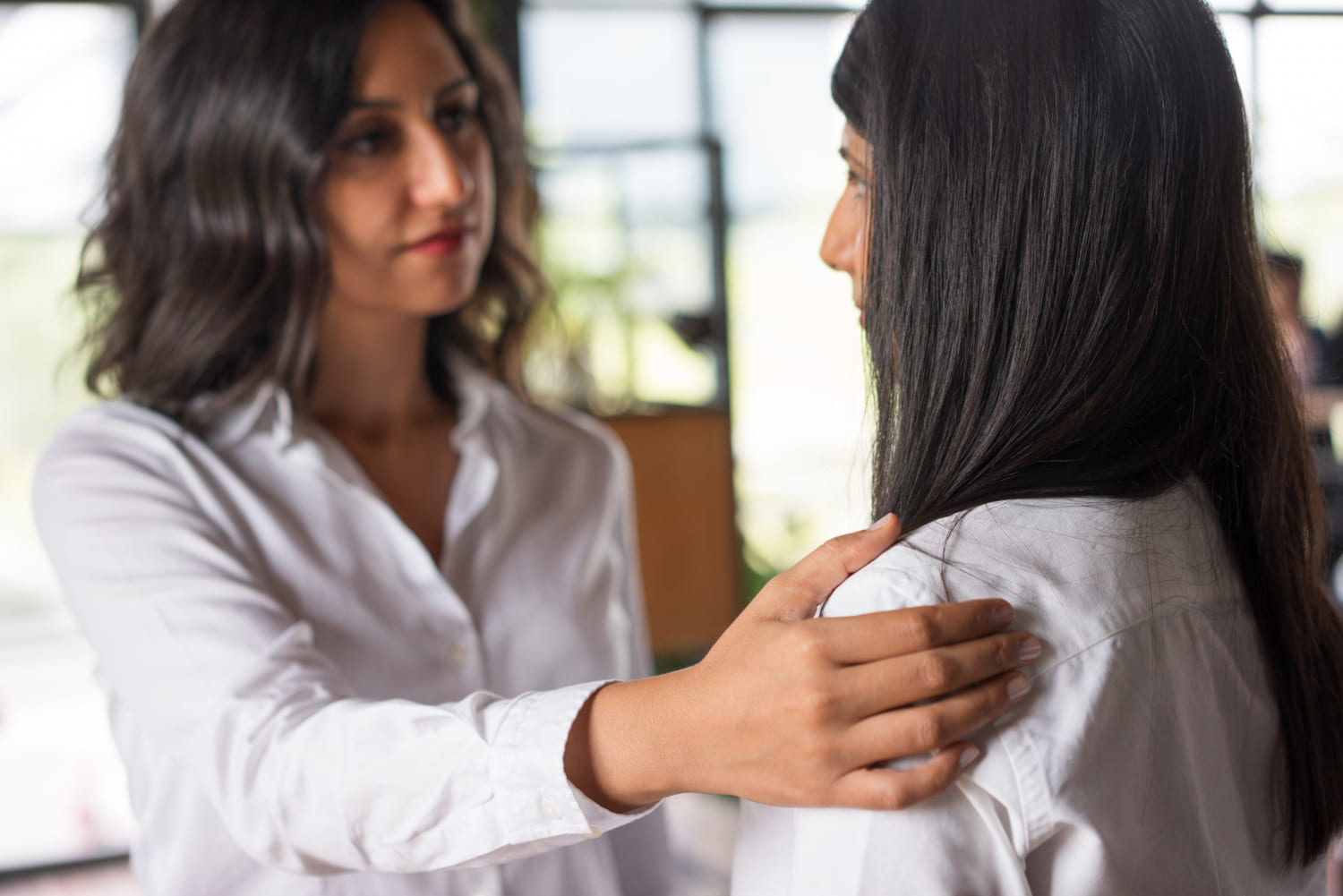
A personalized safety plan works best when it reflects the survivor’s real daily life, not a generic checklist. Safety concerns can change quickly, and what feels practical for one person may not be realistic for another. That is why a plan needs to be flexible, private, and grounded in the survivor’s own circumstances.
Creating a personalized safety plan is not about predicting every possible risk. It is about thinking ahead in a calm, practical way so a survivor has options, trusted points of support, and a stronger sense of control.
Why Personalized Safety Planning Matters
A safety plan is most useful when it fits the survivor’s routines, responsibilities, and current level of risk. Someone with children, shared housing, transportation limits, or workplace concerns may need different strategies than someone in another situation.
That is why a safety plan should be adaptable. It can change as the survivor’s circumstances change.
What a Practical Safety Plan Can Include
Trusted Contacts and Support
Many survivors benefit from identifying a small number of trusted people they can contact if they need help. The focus should stay on people who are reliable, respectful, and aware that privacy matters.
Important Items and Information
A personalized safety plan may include thinking ahead about important documents, essential items, and information that could be difficult to gather quickly during a stressful moment. The goal is not to create pressure, but to reduce uncertainty where possible.
Safer Communication Habits
Confidentiality is an important part of planning. Survivors may want to consider how they communicate, where they store important information, and which devices or accounts feel safest to use. Small adjustments can help protect privacy.
How to Keep the Plan Realistic
A safety plan should be simple enough to remember and flexible enough to change. Complicated plans can be harder to use under stress. Survivors often benefit from focusing on practical steps that feel achievable in their own environment instead of trying to prepare for every scenario at once.
It can also help to revisit the plan regularly. New living arrangements, work schedules, family needs, or support resources may change what feels safest and most useful.
Support Should Strengthen Safety, Not Add Pressure
If a survivor is creating a plan with help from a trusted advocate or support organization, the process should remain respectful and survivor-centered. The purpose is to support informed choices, not to rush decisions or increase stress.
When planning is handled with care, it can help survivors feel more prepared and less isolated.
A Strong Safety Plan Fits the Survivor
A personalized safety plan that actually works is one that reflects the survivor’s real needs, protects confidentiality, and stays flexible over time. Thoughtful planning can provide practical support and help survivors move forward with greater clarity and control.
Are You Experiencing Domestic Violence or Abuse? DVAP Is Here To Help
Domestic Violence and Abuse Protection, Inc. is a non-profit organization committed to protecting the victims of domestic abuse. When restraining orders are not enough, we are there to provide the determined protection you deserve. We are located at 3900 Orange St. Riverside, CA. Call us at (951)-275 8301 (24 hours). Alternatively, you can email us at admin@dvapriverside.org