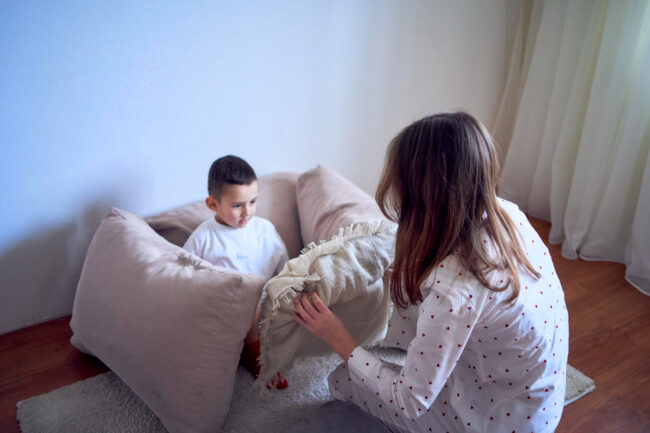
Caregiver creating a safe environment for children after domestic violence

Creating a Safe Environment for Children After Domestic Violence

Creating a safe environment for children after domestic violence requires patience, stability, and a careful focus on emotional well-being. Children who have lived through fear, tension, or disruption may need time before daily life feels predictable again. For parents and caregivers, safety is not only about physical surroundings. It also includes routines, communication, and supportive…

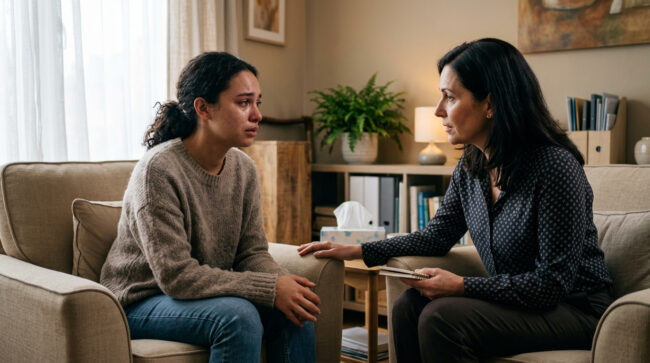
Advocate listening compassionately as a survivor talks about why they may minimize abuse

Why Survivors May Minimize or Deny Abuse

Why survivors may minimize or deny abuse is a question that deserves compassion, not judgment. Many survivors do not immediately describe their experience as abuse because coping with fear, manipulation, and emotional overwhelm can make the situation harder to name clearly. Understanding this response matters for families, friends, and communities. When people expect survivors to…

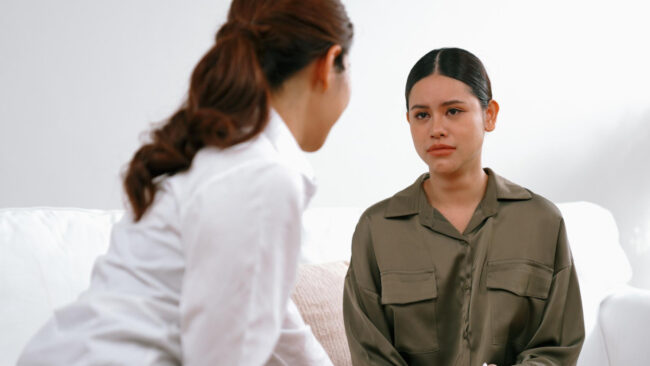
Woman reflecting on cycle of abuse and manipulative apologies at home

Cycle of Abuse: Manipulative Apologies Explained

Domestic violence and emotional abuse go beyond physical harm. Often, survivors endure emotional manipulation disguised as love and reconciliation. Repeated apologies, grand gestures, gifts, and promises to change can feel like markers of genuine remorse. However, these actions can also be tactics within the cycle of abuse. Understanding the signs and patterns of manipulation is…

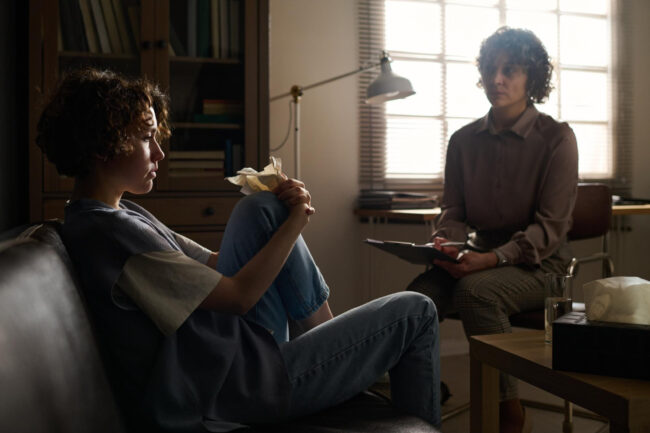
Trauma bonds keeping abuse survivors emotionally attached

Trauma Bonds in Abusive Relationships Explained

Trauma bonds are a powerful emotional connection that can keep survivors of abusive relationships feeling stuck, confused, and powerless. Understanding how these bonds form and why they are so difficult to break is essential to finding a path toward healing and empowerment. For survivors, their families, and the Riverside, California community, Domestic Violence and Abuse…