

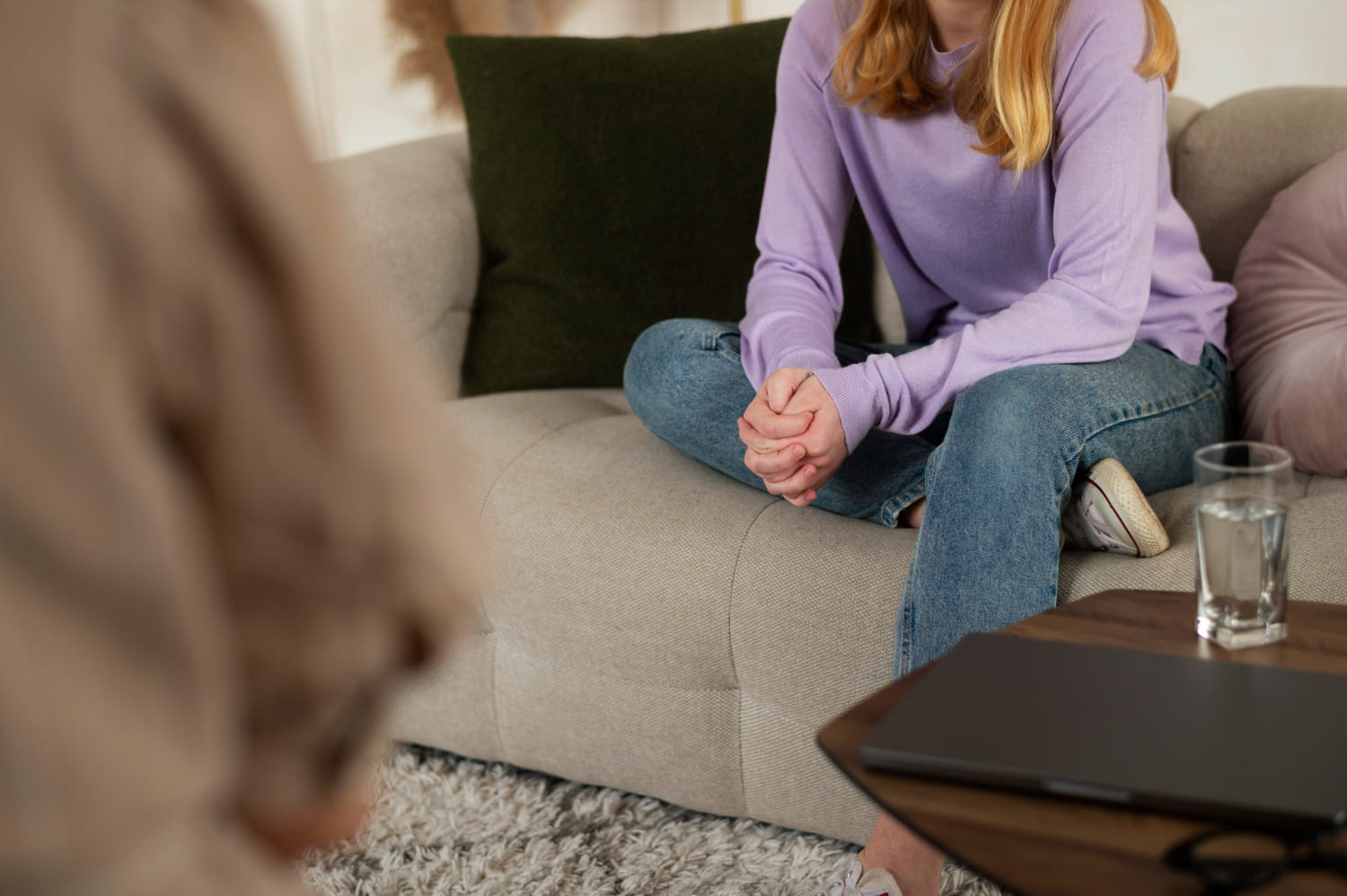
The link between domestic violence and mental health disorders is important to understand because abuse can affect far more than immediate physical safety. Survivors may also experience anxiety, depression, post-traumatic stress, and other emotional challenges that continue long after a specific incident ends.
Recognizing this connection can help families, advocates, and community members respond with more empathy. It also reinforces why survivors deserve compassionate support that respects both safety and emotional well-being.
How Abuse Can Affect Mental Health
Domestic violence often creates an environment of fear, unpredictability, and isolation. Over time, that pressure can affect how a survivor thinks, sleeps, concentrates, and responds to everyday stress. Emotional effects may appear gradually or feel intense even after the abuse is no longer happening in the same way.
Every survivor’s experience is different, but it is common for abuse to affect confidence, trust, and a person’s sense of stability.
Mental Health Challenges Survivors May Face
Anxiety and Ongoing Hypervigilance
Survivors may feel constantly alert, unsettled, or worried even in situations that appear calm from the outside. This can affect sleep, work, daily routines, and the ability to relax.
Depression and Emotional Exhaustion
Abuse can leave survivors feeling isolated, hopeless, or emotionally drained. Those feelings may be intensified when the survivor has limited support or has been repeatedly blamed, controlled, or dismissed.
Trauma Responses Such as PTSD
Some survivors experience trauma-related symptoms that can include intrusive memories, fear responses, and difficulty feeling safe. These responses are serious and deserve compassionate understanding rather than judgment.
Why Support Must Be Compassionate and Survivor-Centered
When mental health is affected by domestic violence, support should never pressure survivors or treat them as if they need to explain everything perfectly. A respectful response starts with believing the survivor, protecting dignity, and encouraging access to trusted help.
Compassionate support can also reduce isolation. Survivors often benefit when the people around them understand that emotional struggles after abuse are real and deserve care.
Community Awareness Makes a Difference
The broader community plays an important role in how survivors are treated. When families, workplaces, and community organizations understand the connection between abuse and mental health, they are more likely to respond in ways that support healing and safety.
Awareness does not replace professional help, but it can create a more supportive environment for someone who is trying to move forward.
Understanding the Link Can Lead to Better Support
The link between domestic violence and mental health disorders shows why survivors need more than immediate crisis response. Abuse can contribute to anxiety, depression, and trauma-related challenges, and survivors deserve compassionate support that respects safety, dignity, and emotional recovery.
Are You Experiencing Domestic Violence or Abuse? DVAP Is Here To Help
Domestic Violence and Abuse Protection, Inc. is a non-profit organization committed to protecting the victims of domestic abuse. When restraining orders are not enough, we are there to provide the determined protection you deserve. We are located at 3900 Orange St. Riverside, CA. Call us at (951)-275 8301 (24 hours). Alternatively, you can email us at admin@dvapriverside.org